Climate Resilience and Watershed Services Overview
The Climate Resilience and Watershed Services program within TSO’s Office of Environment (OE), works to establish a cohesive, proactive, and coordinated response that ensures a safe, resilient, sustainable level of service that can withstand future conditions by:
- reducing environmental pollution;
- improving system resilience; and
- ensuring that investments in transportation minimize environmental impact
The OE works closely with the modal administrations, other state agencies, local jurisdictions, and external stakeholders to enhance transportation resilience and to implement a coordinated effort around resilience and adaptation.
Transportation Resilience Improvement Plan
The Maryland Department of Transportation’s (MDOT) Transportation Resilience Improvement Plan (TRIP) provides a guide for strategic investment in Maryland’s critical infrastructure and proactively identifies actions that can be taken to align adaptation and mitigation efforts throughout the State. The TRIP follows guidance from the Federal Highway Administration (FHWA) related to implementation of the Promoting Resilient Operations for Transformative, Efficient, and Cost-Saving Transportation (PROTECT) program and considers ways to include all modes of transportation when addressing resilience to strive towards achieving MDOT’s resilience-related objectives and goals. Through the development of the TRIP, other MDOT plans and processes were considered and incorporated to ensure a holistic, comprehensive and multimodal approach has been included. MDOT also developed a prioritized list of initial projects it plans to use its PROTECT federal funds to help advance their collective ability to enhance the resilience of the transportation network. Projects identified on the list are eligible for a reduction in the non-federal share, saving scarce state dollars.
Urban Tree Program
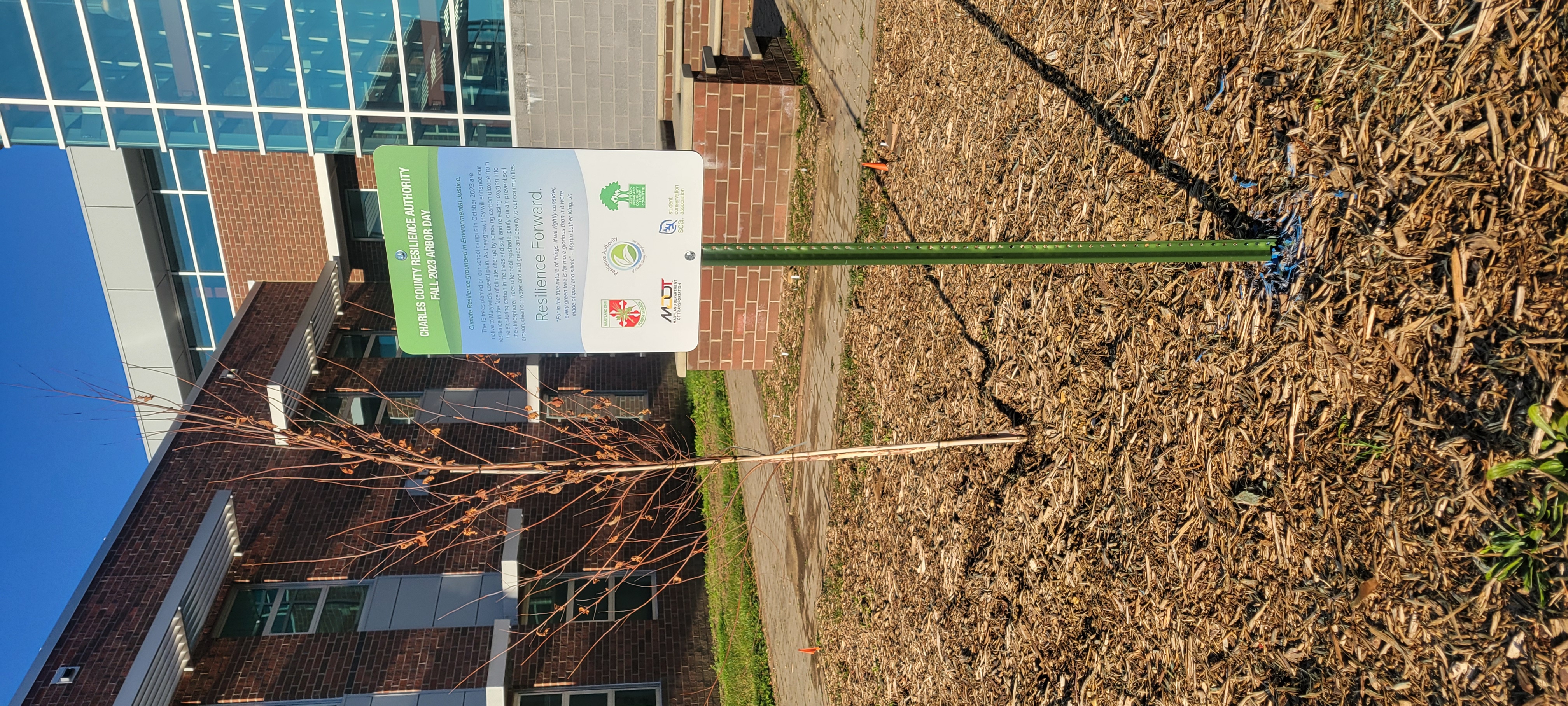
The MDOT Urban Tree Program is a stewardship community tree planting program to help plant trees in communities that have lost them as a result of transportation construction projects. The program was established by statute (Transportation - §2–103.8) in the 2021 legislative session and was developed as a grant program in partnership with the Department of Natural Resources and the Maryland Urban and Community Forestry Committee (MUCFC). The opportunity to apply for grant funding is open year-round. We review applications twice a year for spring and fall planting seasons, January 15 and July 15 respectively. The program awards up to $5,000 for planting projects with additional funds available for pocket forest projects. The program supports the Maryland Five Million Trees initiative as well as MDOT’s efforts to become the greenest department of transportation in the country.
Urban Tree Program Homepage
Coast Smart Maryland
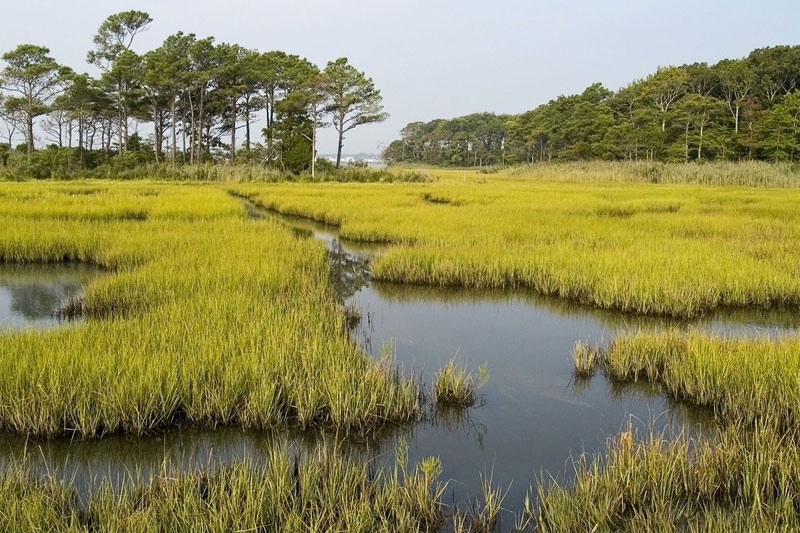
The Coast Smart program provides guidelines and other directives applicable to preliminary planning and construction of proposed capital projects to address sea level rise and coastal flood impacts. The program is for use by all state of Maryland agencies that design and build facilities or prepare programs and budgets for the design and construction of facilities. MDOT programs and projects that are 50% or more funded by state dollars must meet all Coast Smart requirements. MDOT is also a member of the Coast Smart council. The Council is charged with developing and administering the Coast Smart Construction Program which contains the siting and design criteria that state and local projects must adhere to.
Critical Area Commission
The Chesapeake Bay Critical Area Commission was charged with devising a set of criteria for minimizing the adverse effects of human activities on water quality and natural habitats to foster consistent, uniform and more sensitive development activity within the Critical Area. MDOT is a member of the Critical Area Commission, and all projects within the critical area must be reviewed and approved by the commission.